Plan your Spring Blooming Bulb Garden for Cutflowers!
So the weather is starting to get warmer and we are all ready for the summer months that are in the not-too-distant future, right? And I realize that fall may be the last thing you want to think about. However, in order to have a beautiful spring garden of tulips, daffodils, crocus, allium, and hyacinth, you need to start thinking about what you’re going to plant in fall NOW! After all, once the time to plant these bulbs come around, the blooms will be long gone and furthest from your mind. So why not select your bulbs for fall now!

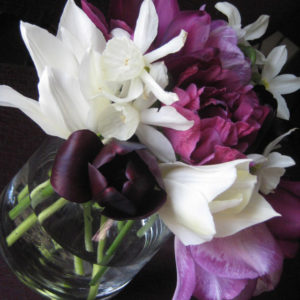
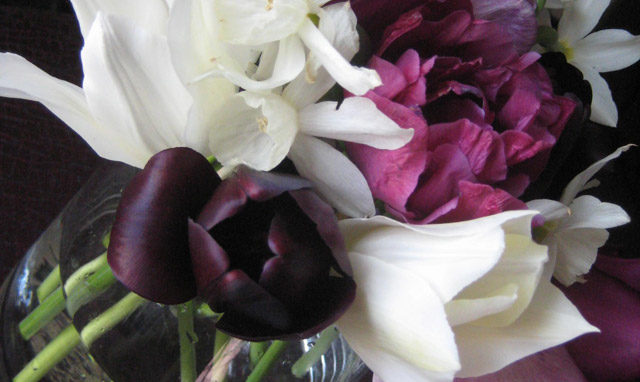
A mixture of textures (such as daffodils and tulips) can make for professional looking floral arrangements.
The majority of gardeners plan their garden around one sole purpose: they want to have a yard that’s in bloom for a long time that looks great year round. While this is a very logical goal, you can get more out of your garden if you consider another factor when planning for the colors and types of flowers your garden will include: cutflowers! Who wouldn’t love to have a vase (or maybe two or three) of fresh cutflowers in their house at all times? Now think about how even more lovely it would be if they were flowers which you had grown yourself in your own yard!
If you’re somewhat of an experienced gardener, you probably already plan your garden so that the bloom time is spread out over as long of a period of time as possible, correct? But what about taking into consideration plants and flowers that can be used for cutting over a long period of time? By paying special attention to colors and textures that will look good in a vase together that are also in bloom at the same time, you can also lengthen the period of time you can enjoy these fresh cut flowers in your home!
Two tips when cutting flowers out of the garden: First, be sure to take flowers from various places within your yard…you should not even be able to notice any

Why not plan your garden for gorgerous bouquets?
are missing once you’re done
And secondly, always try to cut back to another node or bud (the place where the next leaf comes out of the stem) or to the ground. By doing so, you will help to disguise the stems which have been cut and still give your garden a “natural” look.
So go out today and bring a piece of your garden indoors!
Until next time,

Have a question about which bulbs work best for cutflowers or any other gardening topic? Ask Bridget! Email her at bridget@bulbblog.com! If she features your question in a future post, you’ll receive a Holland Bulb Farms coupon for your next order with Holland Bulb Farms!
Tags: bloom time, Cut Flowers, cutflowers, floral arrangements, fresh cut flowers, gardeners, spring blooming bulb, spring garden, tulips daffodils, types of flowers, vase
Want to Grow Bulbs but Confused About When to Plant?
We’ve all seen it: the neighbor’s yard full of brilliant tulips, daffodils, and hyacinth in the spring…or the gorgeous fenceline covered with vibrantly-colored dahlias and lilies in the late summer. Wouldn’t we all love to grow flowers like these? You can! The key is knowing when to plant what and then remembering to do it! So here’s a quick guide to help assist you in planning your garden:
-

- Hardy spring bulbs such as tulips are planted in fall because they need a period of cold in order to stimulate the biochemical process that makes them flower in spring. (Photo: NFBIC)
When to Plant Fall Bulbs?
First of all, bulb planting times are pretty much divided up into two seasons: spring and fall. When an experienced garden refers to “fall bulbs“, they are most likely referring to bulbs which are planted in the fall and therefore bloom in the spring. These bulbs are typically the most familiar and include the following: tulips, daffodils, hyacinth, allium, iris, crocus, fritillaria, and muscari. So what exactly does “fall” mean? Depending upon where you live, fall may start in late September for you or not until mid-November! A good rule of thumb to follow: wait until the nighttime temperatures are consistently between 40°F and 50°F. In most areas, October is a pretty good month to safely plant your fall bulbs. Just be sure to get the bulbs in the ground prior to a severe frost but not too early that they sprout pre-maturely.
-

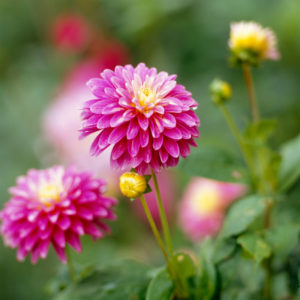
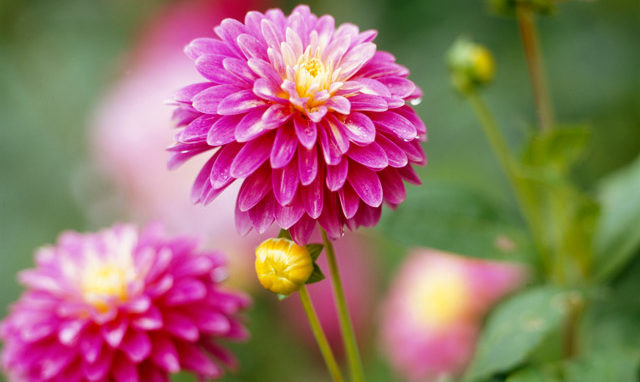
- Dahlias are great summer bloomers! (Photo: NFBIC)
When to Plant Spring Bulbs?
Conversely, when referring to “spring bulbs“, a gardener is most likely referring to bulbs which are planted in the spring and therefore bloom in the fall. These bulbs are not planted quite as often as the fall bulbs but are still fairly easy to grow and produce gorgeous blooms! They include the following: begonias, calla lilies, cannas, caladiums, elephant ears, gladiolus, lilies, freesia, cyclamen, and anemone. Again, the season “spring” may vary based upon your Hardiness Zone. Basically, once the ground has thawed, your spring bulbs can be planted. The weather should be consistently above freezing at this point with the chances of a frost slim to none. In most areas, April is a perfect month to do your spring bulb planting.
Hope this information helps clear up any confusion about when to plant the types of bulbs you desire to grow. Now that you know when to plant bulbs, get out there and plant them! Too many times we marvel at the flowers when they are blooming and commit to planting them ourselves, but by the time the correct season comes around to do it, we never do! Do you have a desire for a yard full of tulips? Take a picture of some and hang it on your fridge with a note saying, “Plant fall bulbs in October.” This way you won’t forget how much you love them when the time comes to plant! Are you envious of your neighbor’s Gladioli? Snap a quick shot and place the picture in the pocket of your spring coat to remind you to plant your own! Just wait and see: you, too, will have beautiful gardens!
Until next time,

Have more questions about planting bulbs? Ask Bridget at bridget@bulbblog.com. If Bridget features your question in a future blog, you’ll receive a coupon good on your next purchase at www.hollandbulbfarms.com!