I LOVE hearing from readers of The Bulb Blog, fellow gardeners, and customers who purchase flower bulbs online. Chances are, if you have a gardening question on your mind, someone else has that exact same question and needs an answer!
To help fellow gardeners get ready for spring, here are some of the top November flower bulb questions we received this month—covering late-season planting, protecting bulbs from pests, pre-chilling bulbs in warm climates, and daffodil planting tips for beginners.
1. Planting Bearded Iris Rhizomes in November
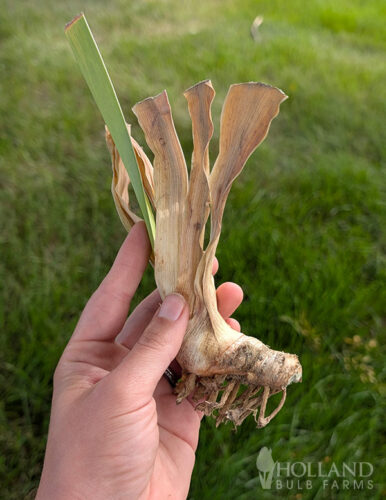
Dormant Bearded Iris Rhizome
Reader Question: I just received my bearded iris rhizomes from Holland Bulb Farms. I’m in Fort Wayne, IN. Everything I’m reading about planting says to plant in September. Is it too late to plant, and will these overwinter in my garage? Can I plant them in the spring?
Jenny’s Answer: While late summer to early fall is the ideal time to plant bearded irises in your area, that does not mean you can’t plant them now! Since they were not planted earlier in the season, getting them in the ground as soon as possible is your next best option.
To help protect them from winter conditions, water the rhizomes once right after planting, then add a light 1–2″ layer of natural mulch over the planting area to insulate the roots.
I do not suggest waiting until spring to plant, as bearded iris rhizomes will not store well in a garage over winter. They need to be planted now so they can start establishing roots underground for next season. Because they are hardy perennials, you can expect blooms for many seasons to come once they make it through this first winter.
2. Protecting Bulbs from Rabbits and Squirrels
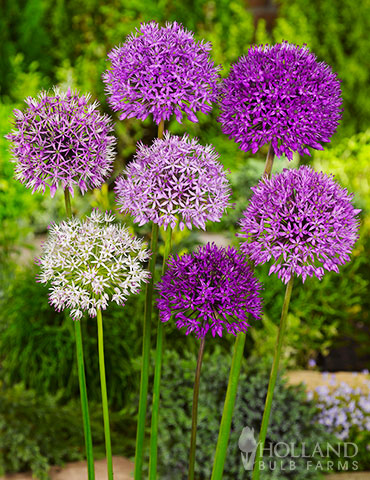
Bubble Blend Allium Mix
Reader Question: I live in an area with lots of rabbits and squirrels. I’m concerned that they’ll dig up the bulbs (allium, crocus, and dwarf Dutch iris) that I plant and/or eat the new shoots that come up in the spring. Should I put wire mesh over the planting area to deter the rabbits and squirrels?
Jenny’s Answer: The good news is that alliums are naturally safe from pests like bunnies, squirrels, and deer. However, crocus bulbs are very vulnerable to being dug up by squirrels and chipmunks. Dwarf Dutch irises are also somewhat vulnerable, though not nearly as much as crocus.
To protect smaller, vulnerable bulbs like crocus, you can try these three steps:
-
- Wait until late fall to plant: If you can wait until later in November or early December—when the ground is closer to freezing—it will help prevent squirrels from digging them up. They have less time to forage before the ground freezes, and their winter food-gathering slows down this time of year. However, delayed planting alone may not be enough.
- Use spicy or scented deterrents: Dip the bulbs in cayenne pepper or sprinkle red pepper flakes directly into the planting hole. Liquid or granular deer and rabbit deterrents (which usually smell like garlic) can also discourage squirrels from digging.
- Lay down hardware cloth: For the safest route, combine steps 1 and 2 with hardware cloth. This is a heavy-duty metal grid material with 0.25″ to 0.5″ openings that keeps squirrels from digging down to your bulbs while still allowing spring shoots to grow right through.
3. Pre-Chilling Tulips and Daffodils in Texas
Reader Question: Hi, I just received my order of value bags of 50 bulbs of Mixed Triumph Tulips and Mixed Daffodils. Have the tulips already been chilled or partially chilled? If so, is it recommended to keep them in the fridge until planting time? If not, how long do I need to chill them before planting? I live in Dallas, TX, where the recommended planting time seems to be December to early January. Thank you!
Jenny’s Answer: Thank you for your order! Your bulbs are not pre-chilled. Because you are gardening in Dallas, TX, it is a good idea to chill them in the refrigerator for at least 8 weeks before planting.
I recommend starting the chilling process right away so you can get them planted in early January. Hope this helps! (Tip: Just be sure to keep them in a breathable paper bag away from ripening fruits like apples, which release ethylene gas that can harm the flower buds.)
4. Stopping Moles and Voles from Eating Lily Bulbs
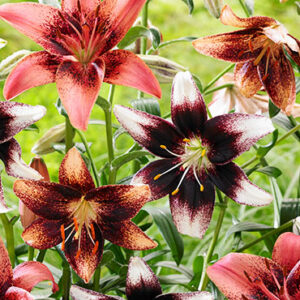
Bi-Color Asiatic Lily Mix
Reader Question: Voles or moles decimated my Asiatic lily bulbs last winter. How can I protect my new bulbs?
Jenny’s Answer: If you have voles or underground critters in your garden beds, the best way to protect your Asiatic lilies is to plant them inside an underground metal basket. You can easily make your own protective cage using metal hardware cloth. The bulbs stay safe inside, and the lily stems will grow right up through the openings in the mesh.
Additionally, planting pest-resistant bulbs like alliums and fritillaria nearby can help, as their natural scent acts as a deterrent to underground voles.
5. Do Double Late and Triumph Tulips Need Refrigeration?
Reader Question: I purchased pink Finola Double Late Tulips and Del Piero Triumph Tulips. Do I need to refrigerate them for 6–8 weeks before planting them?
Jenny’s Answer: The bulbs you received are not pre-chilled. If you are located in USDA Hardiness Zone 8 or warmer, they will need to be chilled in the refrigerator for at least 8 weeks before planting—and 12 weeks is even better if your timeline allows! If you live in Zone 7 or colder, Mother Nature will provide plenty of winter chill outdoors, so you can plant them straight into the garden.
6. Beginner Tips for Soil, Fertilizer, and Planting Daffodils
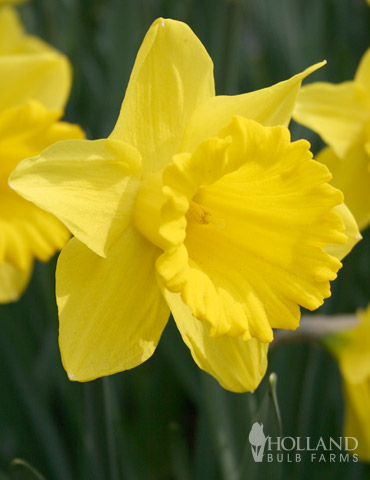
Dutch Master Daffodils
Reader Question: Hi Jenny, I purchased your Dutch Master Daffodil Value Bag, and I’m new to gardening. The daffodils will be planted where there were flowers before, so it’s not clay. I’m going to have to add dirt, and I’m not sure what to use. I do all my shopping at Menards; there are different soil mixes, compost, and others to buy. Can you please tell me what to use? Also, I’m not sure if I need to fertilize, amend, or just use soil. I’m worried I’m going to mess this up.
Jenny’s Answer: Thank you for your recent order and for reaching out! The great news is that daffodils are incredibly easy to grow—in fact, they are one of the best fall-planted bulbs for beginners. They even tolerate fairly poor soils, as long as water does not pool in the area.
-
- Soil Mix: Blend bagged “garden soil” with mushroom compost. Using pure compost directly around the bulbs can sometimes burn the roots, so mixing it with garden soil gives you the best balance.
- Fertilizer: Add a sprinkle of bone meal to each planting hole at the time of planting to help strengthen root growth. Other than that, no additional fertilizer is needed.
- Watering: Give your daffodils a thorough watering right after planting. After that, no additional water is needed—they will simply sleep underground until spring, when natural spring rains provide all the moisture they need as they emerge.
Have a Flower Bulb Question for Next Month?
Whether you are wondering about winter bulb storage, forcing amaryllis indoors, or planning your spring garden, we would love to hear from you! Send us an email, and your question might be featured in next month’s Bulb Blog Mailbag.
Email jenny@bulbblog.com or fill out our form by clicking
here.