Archive for January, 2009

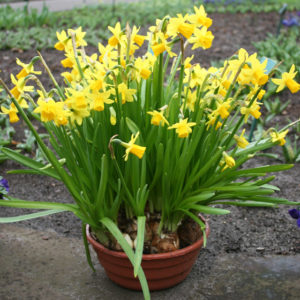
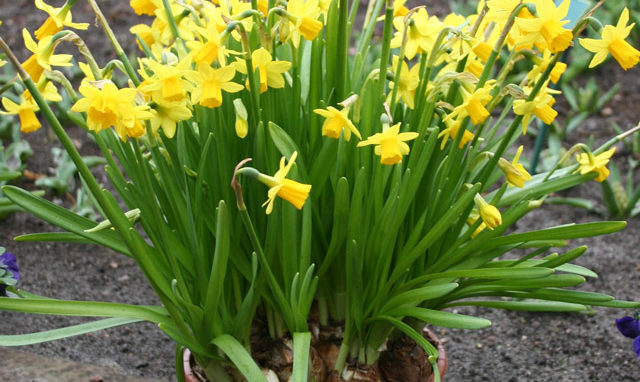
What says "spring" better than miniature daffodils?

What says “spring” better than miniature daffodils?

Bulbs in Pots: A “One Hit Wonder” or A Lasting Treasure?

I’ve received lots of inquiries lately regarding bulbs planted in pots. We’ve all seen it: the gorgeous pots of hyacinth, tulips, and daffodils in full bloom sold at the local supermarket or floral shoppe. If you’re anything like me, you’ve probably purchased one (or at least thought about it) and triumphantly brought your little piece of spring home with you. We are all anxious for spring and who wouldn’t want a little reminder that it will one day indeed come?

So you’ve brought home the pot of adorable miniature daffodils or extremely fragrant hyacinth or maybe you’ve signed up to receive a potted Easter Lily at church and they produced gorgeous blooms for a week or two. But now what do do with these beautiful indoor bulbs after flowering? Was the money you spent on this pot of once-blooming flowers wasted? Is there nothing left to do but dispose of the pot along with the bulbs just as though it were a fresh floral arrangement? Absolutely NOT! Why not replant the bulbs in your garden or another pot to enjoy for years to come? The process is actually quite simple:

  1. Once the plant has stopped blooming, discontinue watering and allow the foliage to die back.
  2. Once the foliage is dried and brown, remove it from the pot by gently tugging on the leaves until they break from the bulb and come out of the ground. (If the leaves do not pull away from the bulbs easily you haven’t waited quite long enough for the foliage to die. It is very important to not remove the foliage prematurely as it helps to put energy back in the bulbs for the next year’s blooms.)
  3. Remove the bulbs from the dirt and dust them off. Check for any rotten or soft spots on bulbs. If these spots are visible on any bulbs, discard them. Allow them to dry out on a piece of paper in a cool, dry and dark place (such as a cellar or basement).
    img_2175

    Don't throw away these gorgeous tulip bulbs...replant them!

  4. If you live in Hardiness Zones 3 – 8 (an area that stays consistently near or below freezing for a period of at least 10-12 weeks during the winter), the bulbs can be replanted in your outdoor garden in fall, anytime between late September and early November, preferrably prior to the first frost.
  5. If you live south of Hardiness Zone 8 (your winters do not fall into the above mentioned category), you will need to “pre-chill” these bulbs in October or November by placing them into your refrigerator in a brown paper bag for a period of 10-12 weeks. Be sure not to store any fruits or vegetables near your bag of bulbs as they give off a chemical called “ethylene” while ripening that can cause bulbs to rot. Once the bulbs have chilled for the correct period and may even have started to sprout, they are ready to be replanted either in the outdoors or in a pot!

So the next time you pass the floral counter at the grocery store or hear of an offer to order some potted bulbs for Easter, don’t hesitate to pick one up for yourself! Remember, spring planting bulbs work great for this, too! Good luck to you!

Until next time,grcbb_signature

Want to learn more about planting bulbs in pots? Email Bridget at bridget@bulbblog.com! Your question may even be featured in a future blog post!

begonias-050

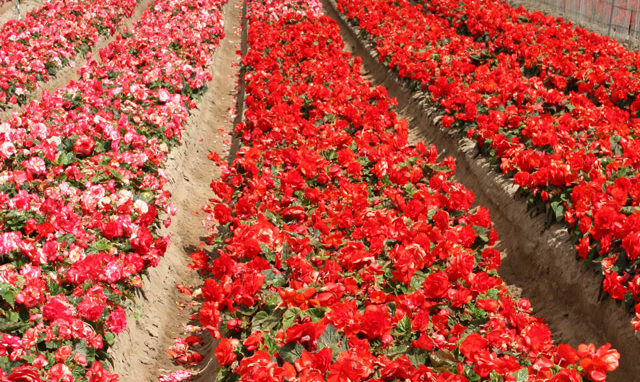
Some of the growers' fields which provide many of the begonias Holland Bulb Farms sells.

Tired of Winter? Start Spring Early with Indoor Forcing!

So the cookies have all been eaten, the Christmas tree is at the curb, and the stockings are no longer hung. Yet even though the holidays are over, the winter “duldrums” are plentiful: you’re still zipping up your bulky coat before leaving the house, you barely make it home before the sun has set, and your shovel hasn’t seen much of a break. So what now?

It is easy at this time of year to feel somewhat hopeless about the outdoors and wish that you could hibernate like the bears do. So why not start your gardening early? Most summer-blooming bulbs are great for forcing indoors, even before the ground has thawed! Not only will starting your plants indoors boost your mood and add some color to the bleak winter, but it will also give your plants a head start for the summer season. Come springtime, you’ll have the most vigorous plants in the neighborhood!

Starting Begonias Indoors

Today, I figured I’d explain the steps to starting your begonias indoors for fuller, more vigorous growth. Begonias are a great bulb to experiment with if this is your first shot at forcing since they are one of the most successful to begin indoors. Begonias also tend to be quite popular, due to their brilliant colors and ability to grow in shady areas (not to mention the namesake of my four-legged gardening buddy :) ) . Simply perform the following steps and you’ll be well on your way to having gorgeous begonias!

White double begonias in the grower's greenhouse.

White double begonias in the grower's greenhouse.

ITEMS YOU WILL NEED:

  • Begonia tubers
  • Well-drained soil
  • Seed trays or small pots
  • Paper or plastic wrap
  • General plant fertilizer
  • Water

WHAT TO DO:

  1. Fill the seed trays or small pots with soil.
  2. In late February or March, plant the tubers (hollow side up) just below the soil level. Soil should be somewhat moist.
  3. Cover with paper or plastic wrap and place on a window sill or other location with indirect maximum light. Temperature should not fall below 60°F.
  4. Water sparingly until growth begins (may take up to 5-6 weeks to see growth above ground although roots have started).
  5. Once shoots emerge from the soil, remove paper or plastic wrap and begin watering regularly. An application of a good liquid plant food will improve growth.
  6. Once substantial growth has formed and leaves have begun to appear, transplant plants to outside container or garden.

It’s that simple! When picking a location outdoors for your begonias, remember that they thrive in semi-shade so avoid areas which receive direct midday sun. Begonias also dislike dry conditions, so be sure to water generously, especially during periods of hot weather. As with most plants, an application of well-balanced plant food every two to three weeks will encourage healthy, vigorous growth. Just remove dead, wilted leaves and flowers and you’ll have begonia blooms all summer!

The new 'Sunrise' Scentiment Begonia!

One more quick note: People are always asking me about where to purchase the newly developed fragrant begonias. One of the only places I have found them is at www.hollandbulbfarms.com. These are referred to as Scentiment® Begonias and grow with a fresh, lemony scent!

Help yourself out this year by bringing spring into your home early! And say goodbye to the winter duldrums! Good luck!

Until next time,

grcbb_signature

Like this article? Want to learn more about indoor forcing other types of bulbs? Email Bridget at bridget@bulbblog.com!