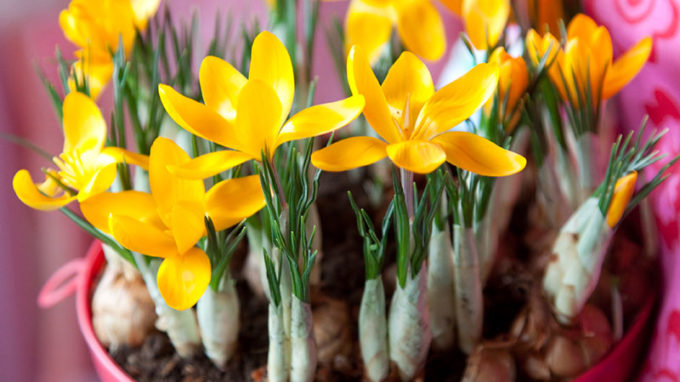
Indoor Forcing


Brilliant Begonias!

The next type of spring-planted bulbs we’re going to focus on is the Tuberous Begonia. Known for their wonderful ability to grow in the shade, small habit and lush green foliage, these tubers make great addition to shady gardens and borders. In this article, we’ll review the advantages of using these beauties in your garden, as well as different planting techniques and tips for growing them.

Classification

Begonias work wonderfully along walkways and as borders to other shaded gardens.

Tuberous Begonias can typically be grouped into three types: Begonia tuberhybridia, Begonia multiflora, and Begonia pendula. The Begonia tuberhybridia types are the most commonly grown and well-known and include the Double Begonias, Ruffled Begonias, Roseform Begonias, and Picotee Begonias. The Begonia multiflora variety include the Multiple Flowering varieties with smaller, numerous blooms. The Begonia pendula are the Hanging Basket-type of begonias which trail over the edges of planters and pots. Oftentimes, the novice gardener will confuse these tuberous begonias with wax begonias, which are grown more as an annual or indoor plants and not from a tuber (or bulb).

Tubers for all three types of these begonias are typically available for purchase in late winter/early spring. They look like small brown lumps with a depression on one side. When choosing the tubers, be sure to check for firmness and look for those with tiny sprouts on the upper, concave surfaces. This is a good sign that they are healthy and ready to begin growing!

Growing Begonias

As previously mentioned, Begonias should be planted during the spring season, anytime after the threat of frost is gone but before the weather gets too warm. For most of the United States, this time period falls between mid-March and mid-May. Maybe begonia growers located in cooler climates, choose to start their begonias early (middle to end of February) indoors to give them a head start on the growing season. Many bulb companies will over this “early delivery” as on option on this partcular type of spring-planted bulb. (For more detailed information on just how to go about starting these tubers indoors, be sure to check out last year’s blog article here: http://www.bulbblog.com/start-begonias-indoors/)

This beauty if the Sunrise Scentiment Begonia. Not only is it easy on the eyes, but also smells wonderful!

This Sunrise Scentiment Begonia is of the "ruffled" type and is not only pleasing to look at, but also provides a wonderful fragrance!

Begonias will begin blooming mid-summer and will continue until frost! Begonias thrive in partial to full shade and need to be protected from hot sun and drying winds. The key to successfully growing begonias is to make sure the soild is well-drained. Begonia tubers are extremely susceptible to rot and therefore do not like any excess moisture. However, be sure to not let the soil dry out between waterings during the summer months. Fertilize once per month during the growing season with a water soluble fertilizer (such as Miracle-Grow).Always water the soil around the plants rather than the plants themselves whenever possible to avoid the forming of fungus or mildew on the foliage. The tubers should be planted hollow side up and covered with only 1/2 to 1″ of soil. Planting them too deep will only encourage rotting. Water well after planting to “wake up” the tubers but then not again until you see growth, which usually takes 4-6 weeks.

For aesthetic reasons, pink off extra long stems as the plants grow. This will encourage blooming and keep your plants from looking “leggy”. When growing the hanging basket-type, make sure they have lots of branches to cascade from their plants by pinching out the primary growing tip when the plant is 2″ tall. Also, deadhead your begonias often by removing wild=ted leaves and flowers. This will retain the “clean” look of the plants and will also encourage repeat blooming throughout the season.

Tuber Storage

Once the plants have completed their growing and blooming cycle, the leaves and flower stems will begin to die back as they enter their dormant stage. Begonias are hardy in Zones 8, 9, and 10. In these areas, simply cut the stems back to within 1-4″ of the soil surface once they have completely died back. Leave the tuber in the ground for the remaining fall and winter. If located in zones north of Zone 8 (Zones 1-7), you will need to take special care of the tubers in order to protect them from the harsh winter weather. Southern parts of Zone 7 can usually get away with giving the tubers a good drink of water in the fall and placing a think layer of mulch over the area where the tubers are planted. To be really sure, however, the tubers will need to be removed from the soil and overwintered indoors. To do so, follow these simple steps:

  1. Since begonia tubers tend to be susceptible to rot, it is often a good idea to bring them indoors just before the first frost. If grown in movable planters, bring the planters indoors and gradually begin with-holding water. Once the leaves begin to die and wilt, remove the stems and leaves carefully from the tubers.
  2. If your tubers are planted outside in the garden, simply dig them up (plant and bulb together) and bring them indoors prior to the first frost. The foliage will begin dying back quickly and can then be removed.
  3. Gently brush off any excess dirt from the tubers and place them in a tray or pot with dry sand, peat moss, or vermiculite.
  4. Store them in a cool, well-ventilated, frost-free area such as a cellar or garage over winter. A temperature of 45-55°F is ideal.
  5. Replant in the spring once ground has thawed!

Those who grow Begonia tubers are some of the most passionate gardeners on earth…and it’s easy to see why! Looking absolutely gorgeous with their bright, large blooms and lush green foliage, it’s hard to believe these plants don’t need much sunlight! Whether you’re a “begonia growing veteran” or have never tried them before, be sure to make your selections early this year and get them growing as soon as possible!

Until next time,

Have a question about begonias or any other bulb gardening topic? Ask Bridget! Email her at bridget@bulbblog.com! If she features your question in a future post, you’ll receive a Holland Bulb Farms coupon for your next order at Holland Bulb Farms!

HELP! I ran out of time to plant my fall bulbs! Now what?

“I know you’re not supposed to plant fall bulbs in the spring but we were hit with hard winter weather rather early this year and I am left with at least 100 tulip and daffodil bulbs that were unable to get planted. Would they survive to bloom next year if I were to plant them now?”

~Dianne from Idaho

Dianne asks a very good question…and one I’ve heard quite often! We all know what it’s like to have the greatest plans for our yard that never seem to quite materialize. Sometimes you even get so motivated that you actually purchase the bulbs and yet they still never make it in the ground! Whether it’s a forgetful mind, the unpredictability of Mother Nature, or just plain running out of time, it’s okay: we’ve ALL done it. And the best news? It may not be too late for your bulbs!

These bulbs were bought with good intentions...anything you can do with them now?

These bulbs were bought with good intentions...anything you can do with them now?

The most important factor to consider when deciding what to do with fall bulbs which were never planted in fall is the conditions in which they have been stored. Were they kept in a cool, dry place since you bought them? Were they left out in the garage? Were they left on the warm kitchen table? Test your bulbs for firmness by squeezing them. Also look for signs of rot or blight by checking the outside of the bulbs for dark or mushy spots. If the bulbs feel firm and have a rather healthy-looking outside, then you’ve got yourself some winners! Most likely, if the bulb was left outside or in a very cold garage and was allowed to freeze, it is no longer salvageable.

So now that you’ve determined that your bulbs are still healthy enough to survive, it’s time to get them “chilled.” As you may or may not know, most fall bulbs (tulips, daffodils, and hyacinth to be specific) need to be chilled in order to grow and bloom properly in the springtime. When planting them in northern climates which receive consistently cool weather in the winter (Zones 3-8), this happens naturally. However, since your bulbs were not planted before the winter and now the ground is frozen, the bulbs can no longer be planted in the ground this year. This leaves you with two options:

  1. Plant the bulbs in one large (or a few small) pots. Plant them at the correct depth but don’t worry too
    These 'Queen of Night' Tulips need to be chilled in order to grow and bloom correctly.

    These 'Queen of Night' Tulips need to be chilled in order to grow and bloom correctly.

    much about the spacing. As long as the bulbs aren’t on top of one another or smashed side-by-side, they’ll be fine. Place this pot in a cool but not freezing garage (upper 30’s and 40’s for temperature). If you do not have a garage or shed which meets this criteria, the pot can be left outside on a patio or deck as long as it is wrapped in something which will protect it from frost (such as burlap or bubble wrap). The bulbs will then receive their necessary “chilling” period but will not freeze. In approximately 10 to 12 weeks or so, you should start to see a little growth. Once this happens, move the pot to a nice sunny patio or lawn area (or remove the bubble warp). The bulbs will continue to grow and bloom just as they would in the ground. The bulbs can then be dug out of the pot and moved to a flowerbed either during their growing cycle or after the foliage has browned and dried. OR…

  2. Place the bulbs in a paper bag in the refrigerator. Be sure that the refrigerator is set at a temperature between 35°F and 50°F. Also, rid the refrigerator of any fruit (particularly apples) as these produce a plant hormone called “ethylene” when ripening which will cause flower bulbs to rot. After a period of 10-12 weeks, the bulbs may start to sprout. At this time, the ground outside should be thawed and the bulbs planted in the ground. They will then grow and bloom as normal!

One important thing to keep in mind when doing this is that the environment required by these bulbs is being artificially created. Therefore, be forgiving of your bulbs and do not expect them to be super all-star growers and bloomers the first year. It may take them a little while to readjust but after they have completed their first full growing season, you’ll never be able to tell the difference!

Because Dianne’s question was featured in the Bulb Blog, she received a $5.00 off coupon for her next Holland Bulb Farms order. Congratulations to her and thank you for the great question! Keep them coming and you may get a coupon, too!

Until next time,

grcbb_signature1

Got a gardening question for Bridget? Email her at bridget@bulbblog.com! If she features your question in a post, you’ll receive a coupon of your next order at www.hollandbulbfarms.com!

What says "spring" better than miniature daffodils?

What says “spring” better than miniature daffodils?

Bulbs in Pots: A “One Hit Wonder” or A Lasting Treasure?

I’ve received lots of inquiries lately regarding bulbs planted in pots. We’ve all seen it: the gorgeous pots of hyacinth, tulips, and daffodils in full bloom sold at the local supermarket or floral shoppe. If you’re anything like me, you’ve probably purchased one (or at least thought about it) and triumphantly brought your little piece of spring home with you. We are all anxious for spring and who wouldn’t want a little reminder that it will one day indeed come?

So you’ve brought home the pot of adorable miniature daffodils or extremely fragrant hyacinth or maybe you’ve signed up to receive a potted Easter Lily at church and they produced gorgeous blooms for a week or two. But now what do do with these beautiful indoor bulbs after flowering? Was the money you spent on this pot of once-blooming flowers wasted? Is there nothing left to do but dispose of the pot along with the bulbs just as though it were a fresh floral arrangement? Absolutely NOT! Why not replant the bulbs in your garden or another pot to enjoy for years to come? The process is actually quite simple:

  1. Once the plant has stopped blooming, discontinue watering and allow the foliage to die back.
  2. Once the foliage is dried and brown, remove it from the pot by gently tugging on the leaves until they break from the bulb and come out of the ground. (If the leaves do not pull away from the bulbs easily you haven’t waited quite long enough for the foliage to die. It is very important to not remove the foliage prematurely as it helps to put energy back in the bulbs for the next year’s blooms.)
  3. Remove the bulbs from the dirt and dust them off. Check for any rotten or soft spots on bulbs. If these spots are visible on any bulbs, discard them. Allow them to dry out on a piece of paper in a cool, dry and dark place (such as a cellar or basement).
    img_2175

    Don't throw away these gorgeous tulip bulbs...replant them!

  4. If you live in Hardiness Zones 3 – 8 (an area that stays consistently near or below freezing for a period of at least 10-12 weeks during the winter), the bulbs can be replanted in your outdoor garden in fall, anytime between late September and early November, preferrably prior to the first frost.
  5. If you live south of Hardiness Zone 8 (your winters do not fall into the above mentioned category), you will need to “pre-chill” these bulbs in October or November by placing them into your refrigerator in a brown paper bag for a period of 10-12 weeks. Be sure not to store any fruits or vegetables near your bag of bulbs as they give off a chemical called “ethylene” while ripening that can cause bulbs to rot. Once the bulbs have chilled for the correct period and may even have started to sprout, they are ready to be replanted either in the outdoors or in a pot!

So the next time you pass the floral counter at the grocery store or hear of an offer to order some potted bulbs for Easter, don’t hesitate to pick one up for yourself! Remember, spring planting bulbs work great for this, too! Good luck to you!

Until next time,grcbb_signature

Want to learn more about planting bulbs in pots? Email Bridget at bridget@bulbblog.com! Your question may even be featured in a future blog post!

begonias-050

Some of the growers' fields which provide many of the begonias Holland Bulb Farms sells.

Tired of Winter? Start Spring Early with Indoor Forcing!

So the cookies have all been eaten, the Christmas tree is at the curb, and the stockings are no longer hung. Yet even though the holidays are over, the winter “duldrums” are plentiful: you’re still zipping up your bulky coat before leaving the house, you barely make it home before the sun has set, and your shovel hasn’t seen much of a break. So what now?

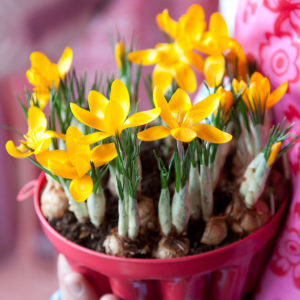
It is easy at this time of year to feel somewhat hopeless about the outdoors and wish that you could hibernate like the bears do. So why not start your gardening early? Most summer-blooming bulbs are great for forcing indoors, even before the ground has thawed! Not only will starting your plants indoors boost your mood and add some color to the bleak winter, but it will also give your plants a head start for the summer season. Come springtime, you’ll have the most vigorous plants in the neighborhood!

Starting Begonias Indoors

Today, I figured I’d explain the steps to starting your begonias indoors for fuller, more vigorous growth. Begonias are a great bulb to experiment with if this is your first shot at forcing since they are one of the most successful to begin indoors. Begonias also tend to be quite popular, due to their brilliant colors and ability to grow in shady areas (not to mention the namesake of my four-legged gardening buddy :) ) . Simply perform the following steps and you’ll be well on your way to having gorgeous begonias!

White double begonias in the grower's greenhouse.

White double begonias in the grower's greenhouse.

ITEMS YOU WILL NEED:

  • Begonia tubers
  • Well-drained soil
  • Seed trays or small pots
  • Paper or plastic wrap
  • General plant fertilizer
  • Water

WHAT TO DO:

  1. Fill the seed trays or small pots with soil.
  2. In late February or March, plant the tubers (hollow side up) just below the soil level. Soil should be somewhat moist.
  3. Cover with paper or plastic wrap and place on a window sill or other location with indirect maximum light. Temperature should not fall below 60°F.
  4. Water sparingly until growth begins (may take up to 5-6 weeks to see growth above ground although roots have started).
  5. Once shoots emerge from the soil, remove paper or plastic wrap and begin watering regularly. An application of a good liquid plant food will improve growth.
  6. Once substantial growth has formed and leaves have begun to appear, transplant plants to outside container or garden.

It’s that simple! When picking a location outdoors for your begonias, remember that they thrive in semi-shade so avoid areas which receive direct midday sun. Begonias also dislike dry conditions, so be sure to water generously, especially during periods of hot weather. As with most plants, an application of well-balanced plant food every two to three weeks will encourage healthy, vigorous growth. Just remove dead, wilted leaves and flowers and you’ll have begonia blooms all summer!

The new 'Sunrise' Scentiment Begonia!

One more quick note: People are always asking me about where to purchase the newly developed fragrant begonias. One of the only places I have found them is at www.hollandbulbfarms.com. These are referred to as Scentiment® Begonias and grow with a fresh, lemony scent!

Help yourself out this year by bringing spring into your home early! And say goodbye to the winter duldrums! Good luck!

Until next time,

grcbb_signature

Like this article? Want to learn more about indoor forcing other types of bulbs? Email Bridget at bridget@bulbblog.com!

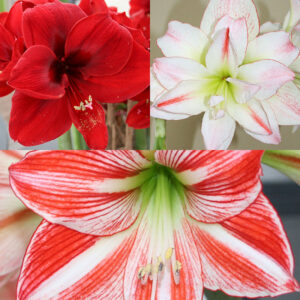
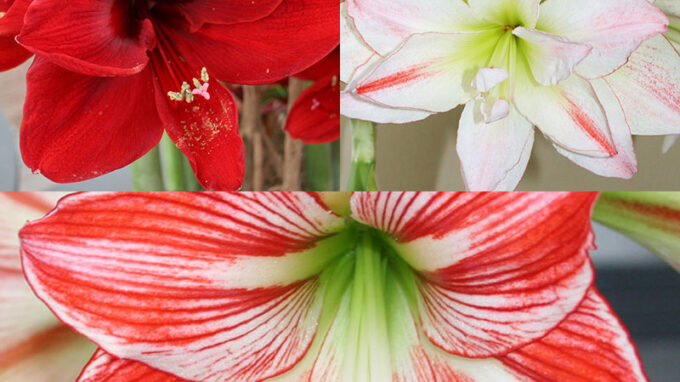
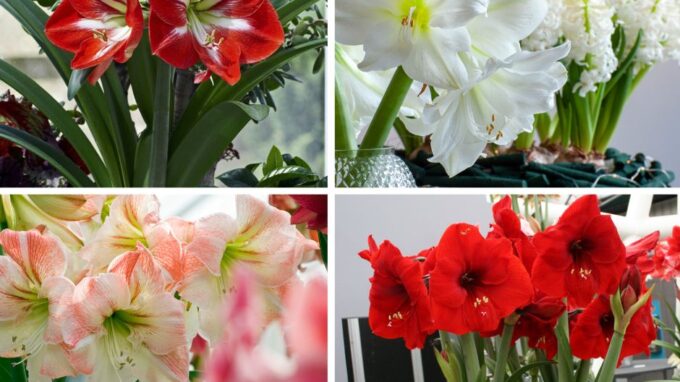
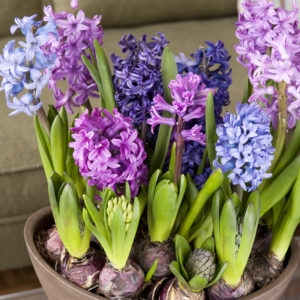
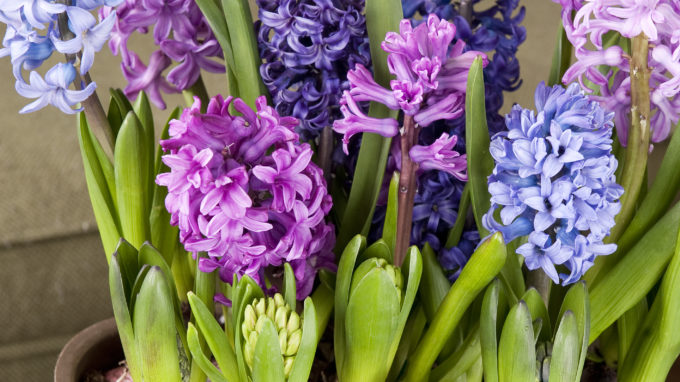
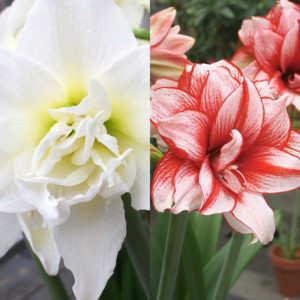
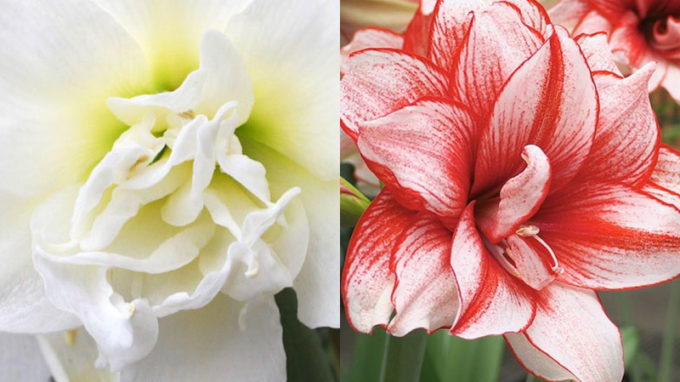
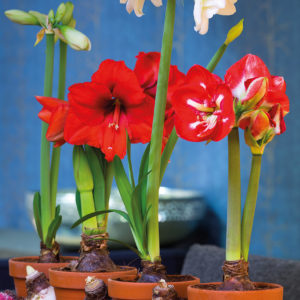
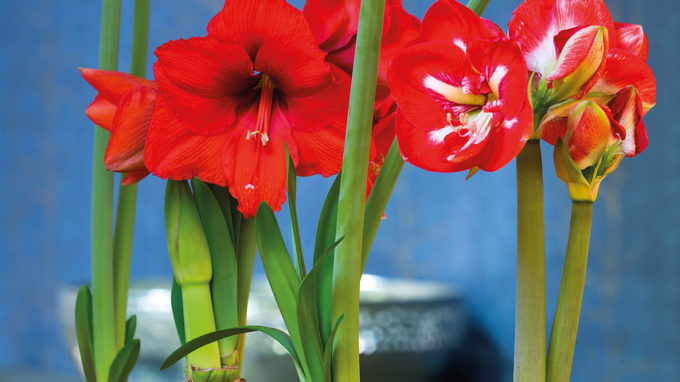
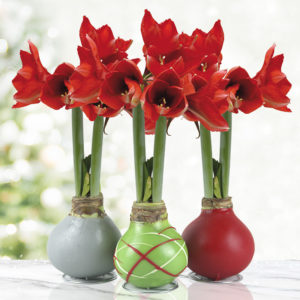
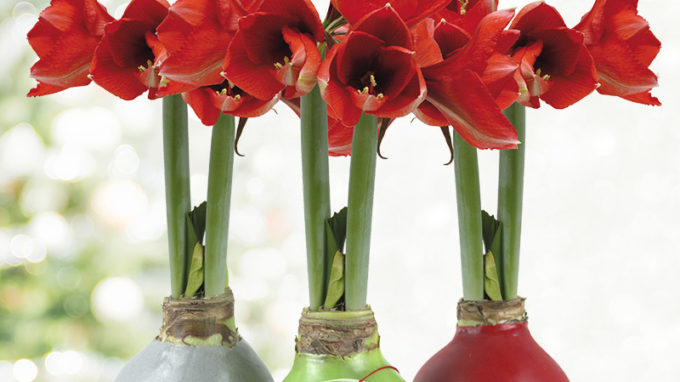
These indoor blooms make wonderful gifts and come in a variety colors!

These indoor blooms make wonderful gifts and come in a variety colors!

Amaryllis: The Gift that Keeps on Giving!

As hard as it is to believe, the holidays are just around the corner. That being said, whether you’re the organized shopper who bought everyone’s Christmas gift over the summer or you’re the procrastinator without a clue, there’s bound to be someone who seems to have everything. Or what about that person that you think might drop by and need a gift “just in case”? Have you thought about your child’s teacher or Great Aunt Gertrude or your hair stylist?

How about a unique gift that they will actually enjoy? Try bringing plant life to the cold days by giving an indoor bulb! One of the most common of these indoor growing bulbs is the Amaryllis. Now I already know what you’re thinking: I don’t want to give a gift that requires WORK…let alone a plant that I know will never survive. So what if Gertrude’s thumb isn’t that green! The best part about these gifts is that they are extremely EASY to grow and fun to watch! Have grandchildren that are interested in the way things grow but are bored with the “expandable sponge animals”? Give them each an amaryllis bulb to plant and record the progress! And the best part: many times bulb websites such as Holland Bulb Farms sell these indoor bulbs in giftbox kits which include everything you need to grow the bulb. Sure takes the difficulty out of a unique gift, doesn’t it?

amaryllis-close-up

A close up picture of my sister's Amaryllis on her desk at work.

Allow me to tell you about my sister: My dear sister, a wonderful person full of great ideas and motivation, is not gifted with the talent of “growing things.” Or maybe better said, she has difficulty keeping plants alive :) Yet as far as I’m concerned, every house could benefit from some “greenery” so I gave her an amaryllis. Of course, I received the response I knew I would: “Oh thanks, Bridget. But…ah…you know how I am with plants. Do I have to water it?” I laughed and assured her that even SHE couldn’t mess this one up. I also told her that the great thing about amaryllis is that they only need to be watered once a week! Sure enough, three weeks later, I received an email from her, pictures attached. She had taken her amaryllis to her office and it had bloomed beautifully! Her only complaint was that she couldn’t get any work done because her co-workers would constantly stop to ask her what the gorgeous plant on her desk was called!

So why not try giving a unique gift this year rather than the same old gift card to McDonald’s or gaudy Christmas ornament? The blooms last for weeks and they couldn’t be easier to grow!

Until next time,

grcbb_signature

Have a question for Bridget? Be sure to email her at bridget@bulbblog.com. Have your question featured in the blog and receive $5.00 off your next order with www.hollandbulbfarms.com!